Wethenorth
Darknet
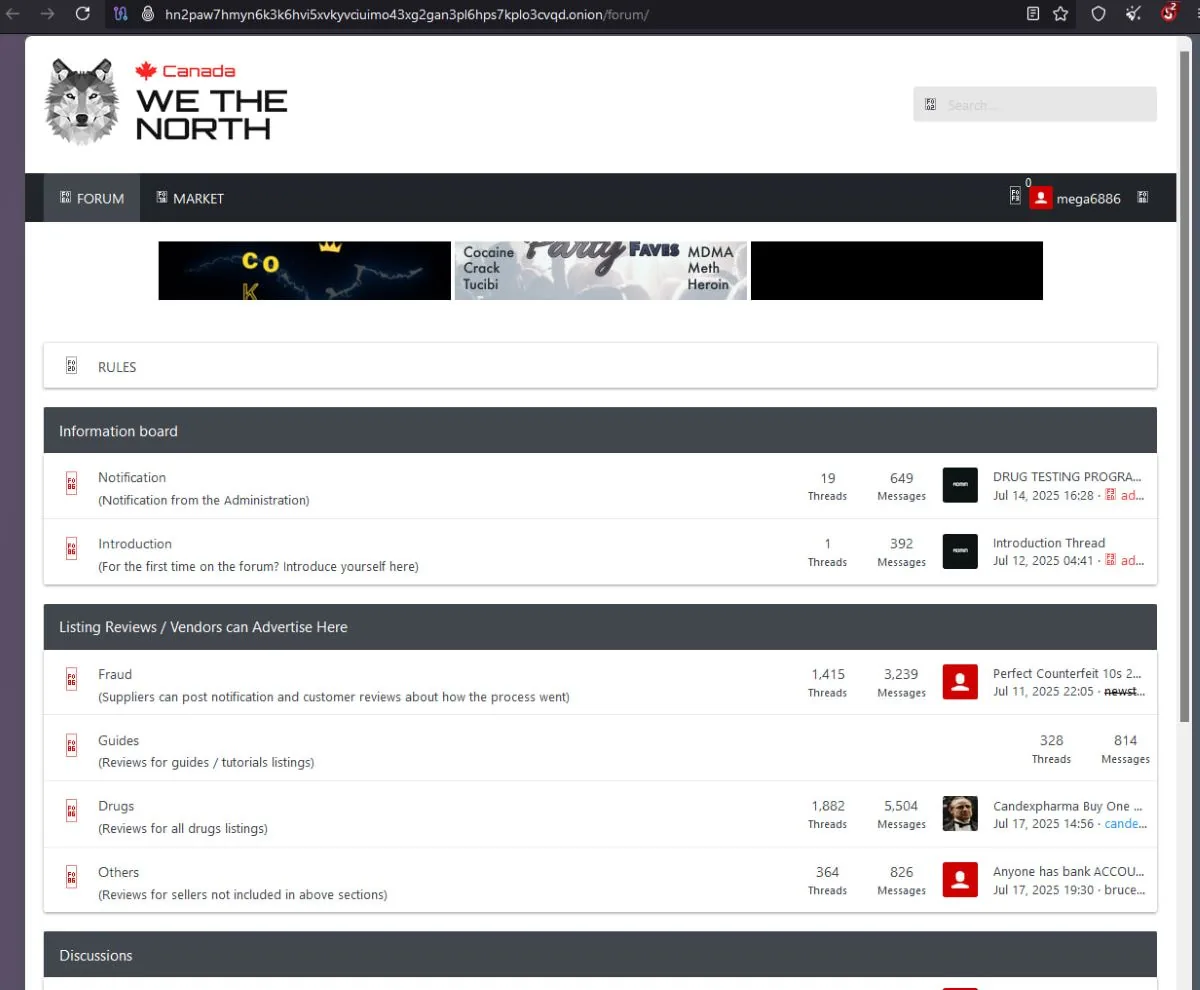
The Wethenorth Darknet marketplace is a Canadian-origin platform accessible exclusively through the Tor network. This informational resource documents its reported structure, features, and the privacy tools associated with anonymous darknet access. All content is based on open-source research.
What Is the Wethenorth Darknet Market?
The Wethenorth Darknet platform emerged in 2021 as a successor to the Canadian-focused darknet marketplace ecosystem. Based on documented open-source research, it serves as a peer-to-peer trading environment accessible only through the Tor anonymity network.
The platform reportedly operates with a focus on Canadian vendors and buyers, though international participation has been widely documented. Its infrastructure emphasizes privacy-by-design, including mandatory PGP encryption for sensitive communications and support for Monero (XMR) as a preferred payment method.
The Wethenorth Website uses a standard darknet market structure: vendor listings, category browsing, an escrow payment system, and a dispute resolution mechanism. The platform does not require personally identifiable information to create an account.
- Canadian-origin, international access
- Tor v3 onion address (.onion)
- No personal data collection
- Multi-signature escrow available
- Vendor bond system in place
- Active forum & support structure
Core Market Features

Funds are held in escrow until buyers confirm receipt. Multi-signature options reduce the need to trust any single party. Timelock protection prevents indefinite holds.
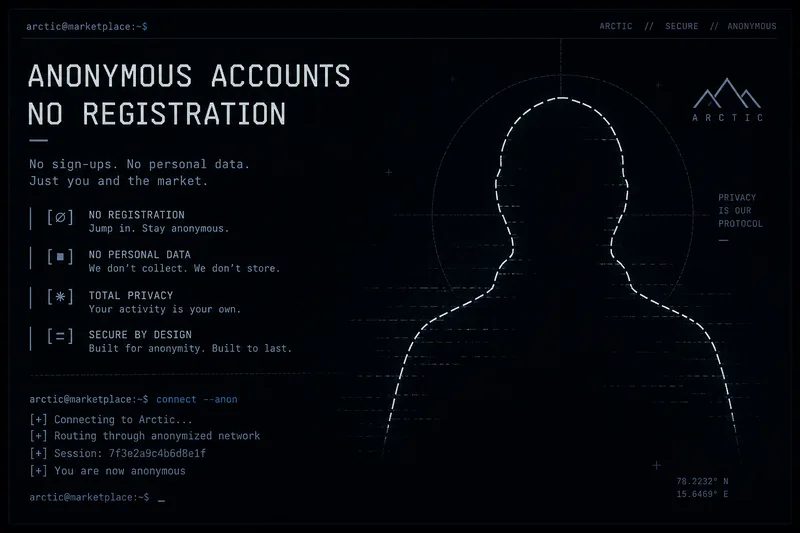
No email address, phone number, or personal data is required. Account creation uses only a username and password. No identity verification is mandated.
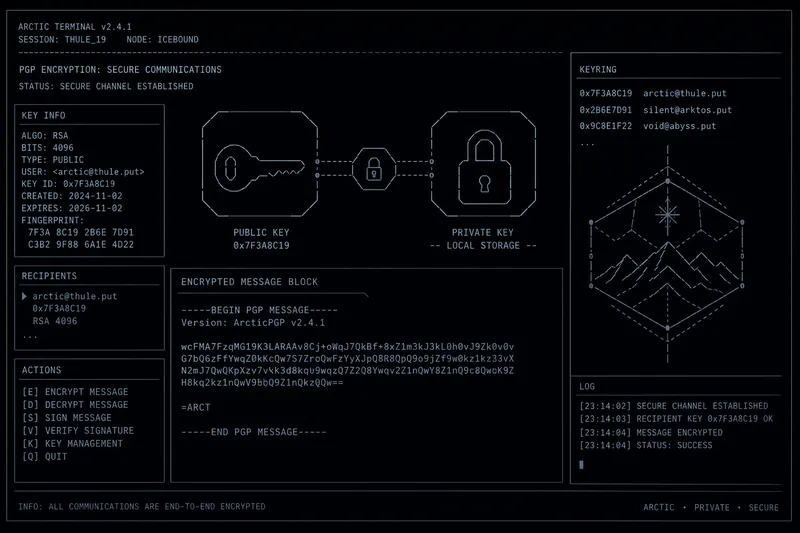
End-to-end PGP encryption is supported and encouraged for all sensitive communications. Vendor public keys are displayed on profiles for independent verification.
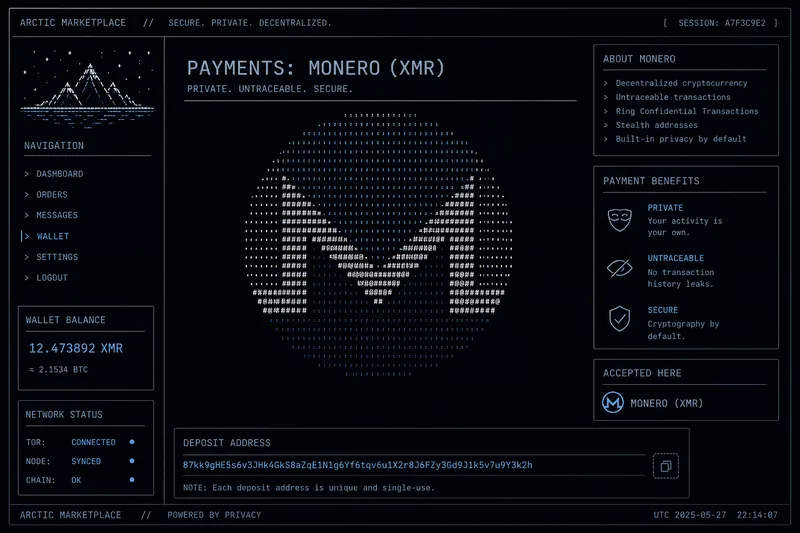
XMR (Monero) is the recommended payment method due to its privacy properties. Bitcoin (BTC) is also accepted. On-site wallets handle deposits and withdrawals.
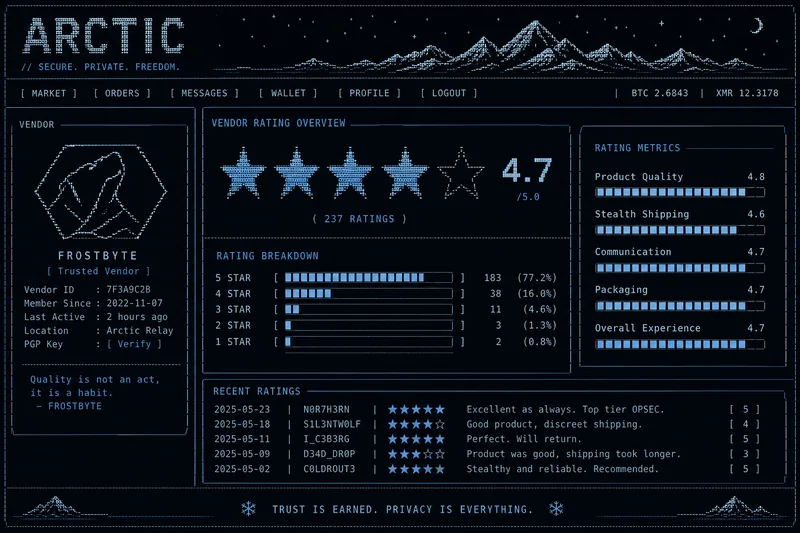
A transparent review system allows buyers to rate vendors after completed transactions. Ratings cover product quality, stealth, and communication. Verified badges indicate established traders.
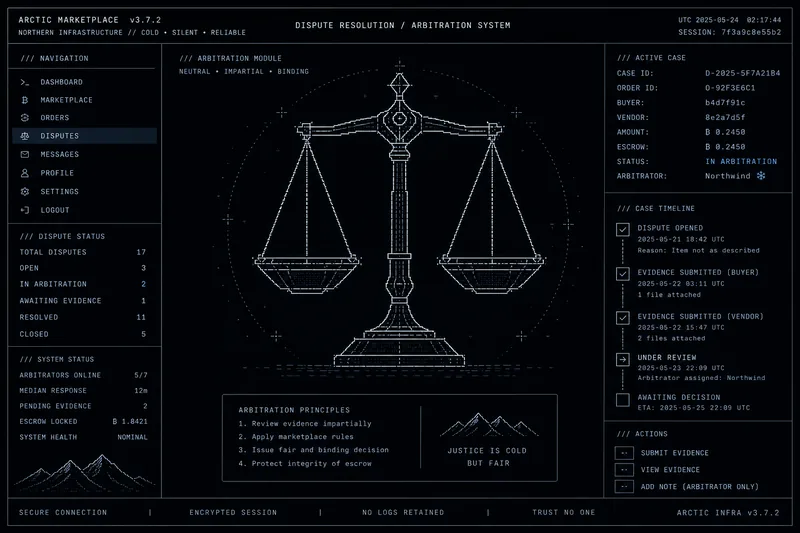
A structured arbitration process handles contested transactions. Neutral moderators review evidence submitted by both parties. Escrow funds are released based on findings.
Cryptocurrency on the Wethenorth Platform
A Brief History of Crypto Payments in Darknet Markets
Bitcoin was the first cryptocurrency widely adopted across darknet marketplaces, beginning around 2011 with Silk Road. Its pseudonymous ledger made it far more private than traditional payment methods. However, blockchain analysis tools evolved quickly, revealing that Bitcoin transactions are traceable through chain analysis — a significant vulnerability for privacy-sensitive users.
Privacy coins emerged as a direct response. Monero (XMR), launched in 2014, introduced ring signatures, stealth addresses, and RingCT, making transaction amounts and participants opaque by default. By 2020, most major darknet platforms had shifted to recommending or exclusively accepting XMR.
What Are Privacy Coins?
Privacy coins are cryptocurrencies built with confidentiality as a core protocol feature — not an optional add-on. Unlike Bitcoin, where every transaction is visible on a public ledger, privacy coins obfuscate the sender, receiver, and amount at the protocol level. XMR is considered the leading privacy coin by adoption and technical robustness.
Accepted Currencies on the Wethenorth Darknet
According to documented research, the platform accepts two cryptocurrencies:
- XMR (Monero) — Primary recommended currency. All transactions are private by default. Ring signatures, stealth addresses, and RingCT ensure sender, receiver, and amount are cryptographically hidden.
- BTC (Bitcoin) — Accepted as a secondary option. Users should be aware that Bitcoin transactions are traceable via blockchain analysis without additional privacy layers (e.g., mixers, CoinJoin).
Why XMR is the more secure option: Monero's privacy is mandatory and applied at protocol level. Bitcoin's privacy is optional and requires user-side effort. For operations requiring anonymity, XMR presents a substantially lower exposure surface.
Market News & Updates
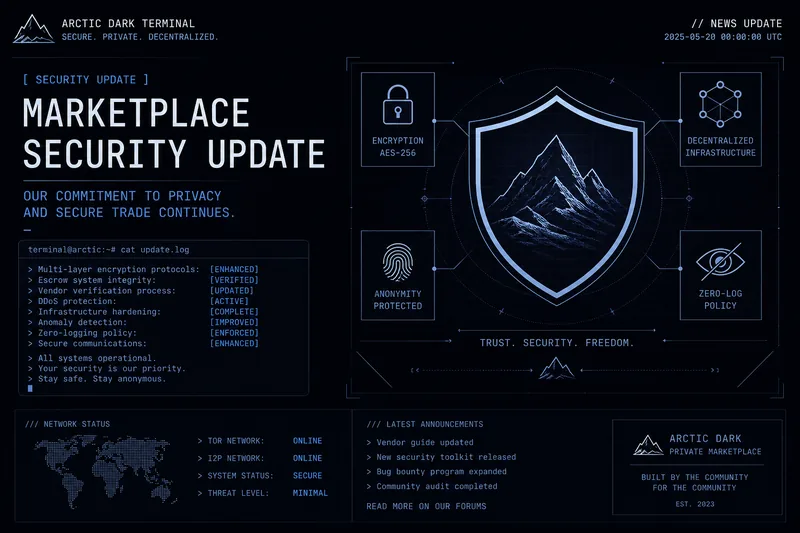
Infrastructure hardening and updated DDoS mitigations deployed across all Tor entry nodes. Vendor verification process updated.
Read More →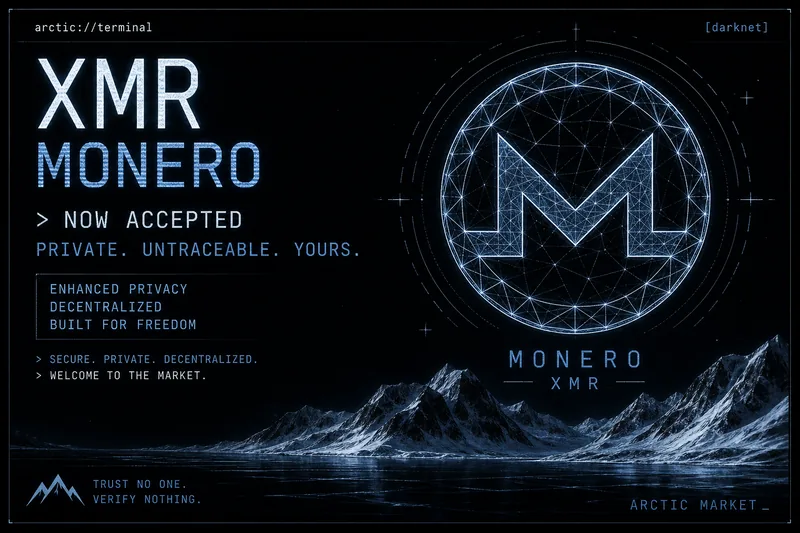
Following community vote, Monero is now the default payment method. BTC remains available but XMR is strongly encouraged for privacy.
Read More →
New vendor registration process introduces stricter PGP verification requirements. Bond amounts updated to reflect market conditions.
Read More →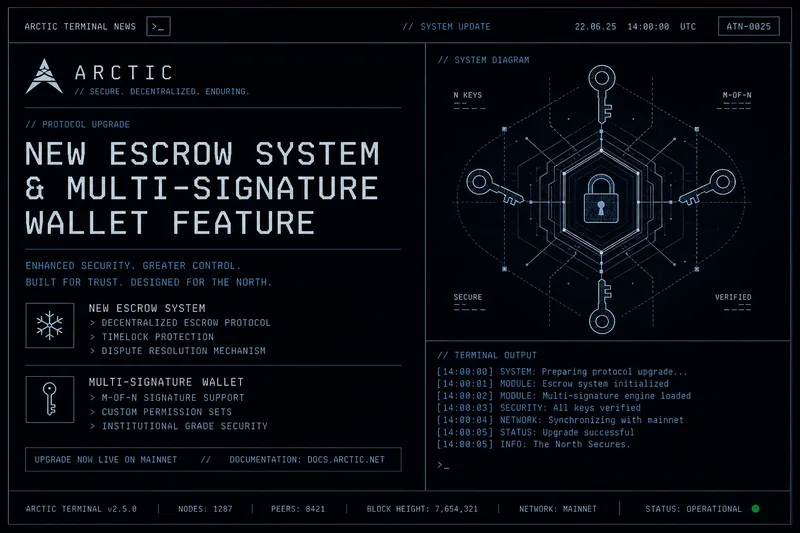
2-of-3 multi-signature escrow is now available for all transactions over 0.5 XMR. Reduces reliance on market-controlled wallets.
Read More →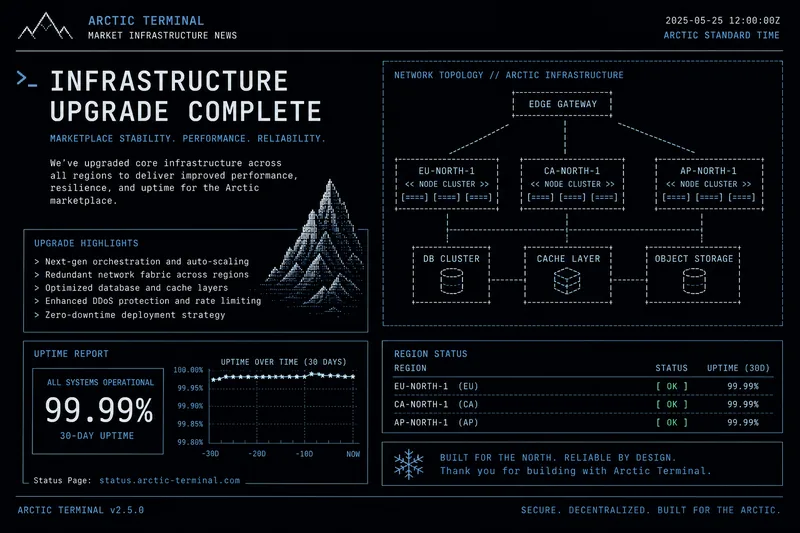
Core infrastructure migrated to distributed node architecture. 99.97% uptime maintained over the past 90-day period.
Read More →
Comprehensive operational security documentation released. Covers Tor usage, XMR best practices, and behavioral counter-surveillance.
Read More →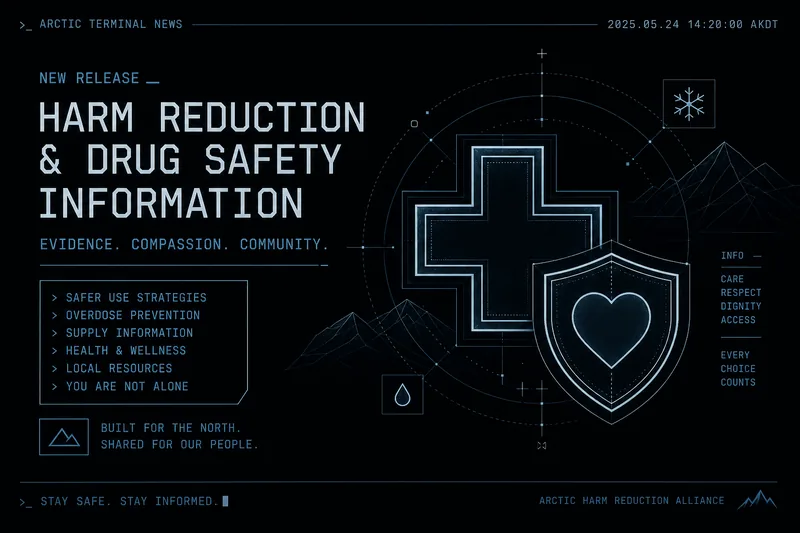
Dedicated harm reduction section launched with drug interaction data, overdose response procedures, and anonymous help resources.
Read More →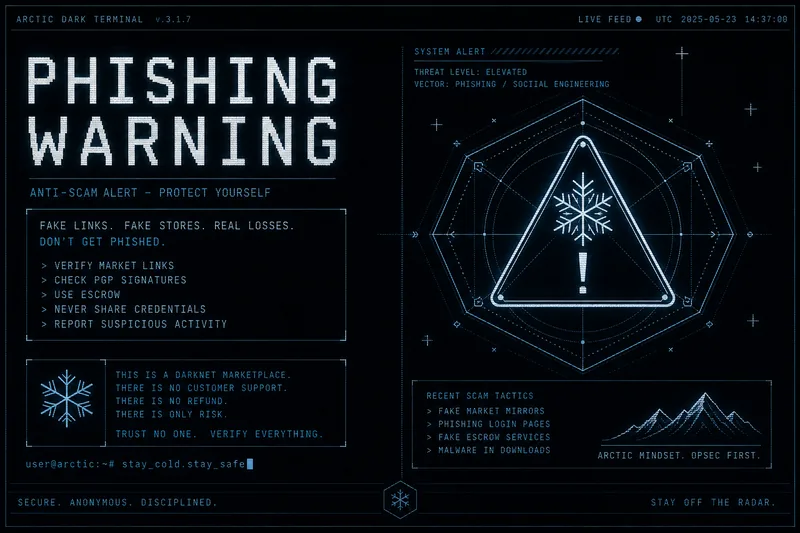
Multiple fake WTN mirrors identified. Users urged to verify onion addresses against PGP-signed sources only. Do not trust clearnet URLs.
Read More →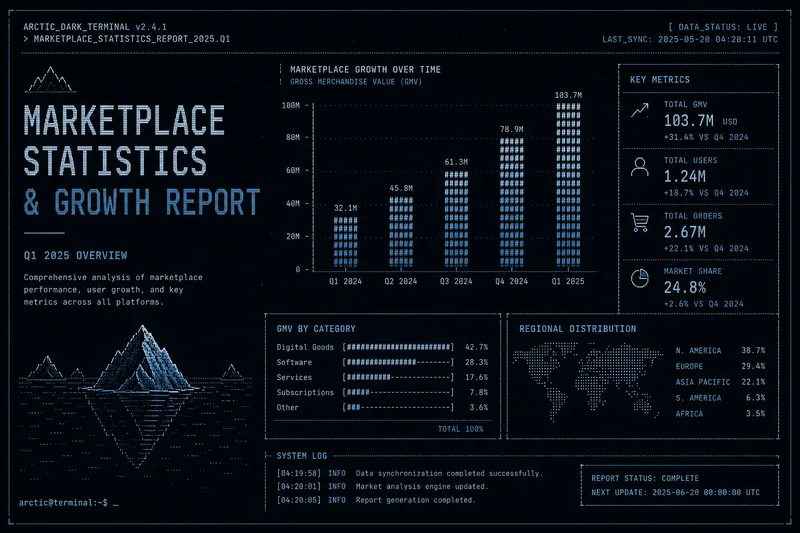
Platform reports 340K+ registered accounts and 8,400+ active listings entering 2026. Vendor count grew 18% year-over-year.
Read More →Drug Harm Reduction — Core Principles
Never assume potency. Begin with the smallest possible dose and wait for full onset before re-dosing. Tolerance varies by individual, substance, and batch.
Reagent test kits provide rapid chemical identification. DanceSafe and similar organizations supply affordable testing resources. Fentanyl test strips are critical for opioid verification.
Having a trusted person present — or using a call service — significantly reduces fatal overdose outcomes. Naloxone (Narcan) should be accessible when opioids are involved.
Polydrug use dramatically increases risk. CNS depressant combinations (opioids + benzodiazepines + alcohol) are responsible for the majority of overdose fatalities.
Operational Security — Why It Matters
What Operational Security Means
OPSEC is the practice of protecting sensitive information by identifying what data can reveal about you, and then controlling that exposure. In the context of darknet access, poor OPSEC is the primary cause of de-anonymization — not technical vulnerabilities in Tor itself.
Key OPSEC principles include: compartmentalization of identities, consistent use of Tor Browser without modifications, avoidance of behavioral patterns that link sessions, and strict separation of darknet and clearnet activity.
- Use Tor Browser — never a regular browser
- Never use your real name or location data
- Disable JavaScript where possible
- Use a dedicated device for sensitive browsing
- Consider Tails OS for amnesic sessions
Red Flags & Common Mistakes
The most common OPSEC failures involve human behavior, not software flaws:
- Reusing usernames across platforms
- Accessing .onion sites from a clearnet browser
- Using personal cryptocurrency wallets linked to exchanges
- Sharing delivery addresses linked to real identity
- Discussing darknet activity on indexed platforms
- Logging into accounts without Tor active
- Using screenshots that contain metadata
How to Avoid Wethenorth Phishing Sites
Phishing sites impersonating the Wethenorth Link are a persistent threat. These pages collect login credentials, seed phrases, or payment addresses. They are visually identical to the genuine platform. The only reliable verification method is a PGP-signed onion address from the market's official signed message.
- Only access .onion addresses — never clearnet mirrors
- Verify addresses against PGP-signed source messages
- Check SSL/certificate state inside Tor Browser
- Never save login credentials in a browser
- Bookmark the verified address in Tor Browser only
Frequently Asked Questions
What is the Wethenorth Darknet marketplace?
The Wethenorth Darknet platform is a peer-to-peer marketplace accessible only through the Tor network. It is documented as a Canadian-origin darknet market that launched in 2021 and has since grown into one of the larger English-language dark web trading platforms. This site covers it for informational purposes only.
How do I find the Wethenorth Link safely?
The safest method is to locate a PGP-signed announcement from verified community sources. Our dedicated mirror page provides the current verified Wethenorth Link alongside PGP verification instructions. Never trust clearnet URLs or unverified forum posts.
What does the Wethenorth Website look like?
The Wethenorth Website follows a standard darknet market layout: a homepage with featured listings, category navigation, vendor profiles with ratings, and a messaging system. The interface is text-heavy with minimal graphics, optimized for the low-bandwidth environment of Tor connections.
Is Monero or Bitcoin better for darknet transactions?
XMR (Monero) is broadly considered superior for privacy-sensitive transactions. Its protocol enforces privacy by default — transaction amounts, sender, and receiver are all obfuscated. Bitcoin offers no native privacy; all transactions are permanently visible on a public ledger and are subject to chain analysis.
What is Wethenorth Access and how does it work?
Wethenorth Access refers to connecting to the marketplace through Tor Browser using the verified .onion address. No special software beyond Tor Browser is required. The connection is routed through multiple encrypted relay nodes before reaching the hidden service, preventing IP address exposure.